Pressure washers / Practical guide
Commercial Pressure Washers: Pressure, Flow and Duty Cycle Explained
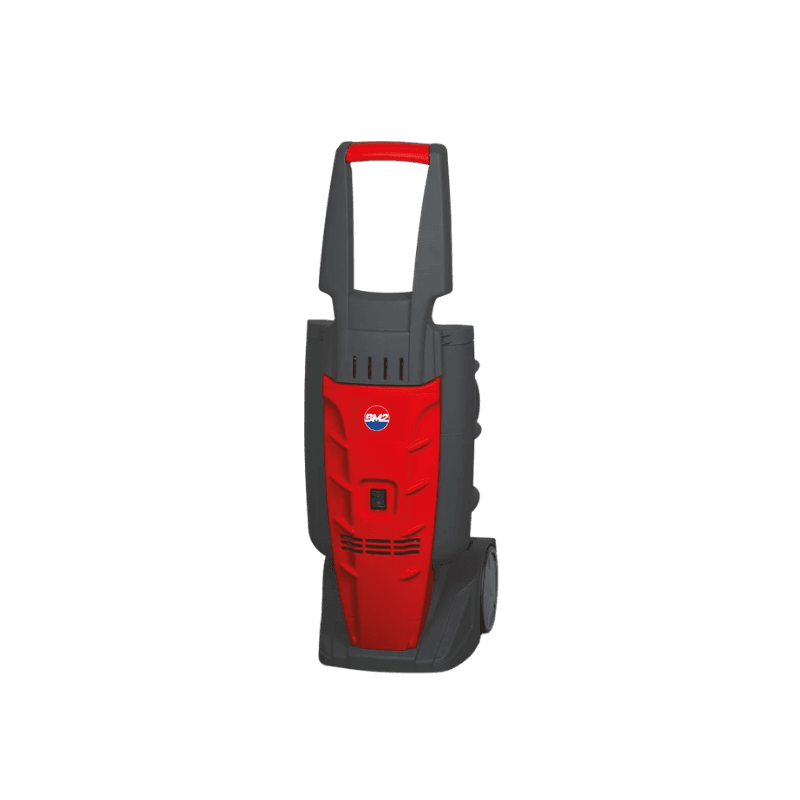
Choose a pressure washer against the cleaning task, water supply and working environment. A single maximum-pressure figure leaves important questions unanswered. A practical comparison also records flow, rated operation, power requirements, accessories and the conditions under which staff will use the equipment.
The decision in three points
- Compare operating pressure and water flow together.
- Check the available water and electrical supply.
- Specify the surface, duty cycle and required accessories.
Step 01
Compare pressure and flow together
Pressure and water flow describe different aspects of a washer's operation. Nilfisk's equipment guidance treats the surface and dirt as relevant to pressure selection. In a quotation, ask which number is rated working pressure and which is a maximum figure; comparisons are unreliable when suppliers use different definitions.
Put flow figures in the same unit before comparing models. To convert litres per hour to litres per minute, divide by 60. For example, 600 litres per hour is 10 litres per minute; this is a unit-conversion example, not a recommendation for a particular surface or a promised cleaning rate. Record the inlet-water requirement separately.
Step 02
Match the machine to the supply and workload
Check the available electrical supply, connection requirements and the water source. Describe operating hours and whether the work consists of brief tasks or sustained use. Ask for the model's permitted operating limits, required breaks and maintenance schedule. A domestic description or a high pressure figure does not establish suitability for a commercial workload.
Include the distance between the water point, power point and work area. Confirm the quoted hose length, connection arrangement and compatible accessories. Avoid assuming that an extension hose, surface-cleaning attachment or detergent system is included because it appears in a photograph.
Step 03
Distinguish cold water from heated-water capability
Ask whether the exact model is a cold-water or hot-water machine, and what inlet-water conditions are permitted. Nilfisk lists heated-water equipment as a separate product configuration. Do not connect heated water to a machine on the assumption that every washer accepts it.
Where heat is part of the proposed process, request the relevant operating specifications, energy requirements and precautions. Compare the complete configuration and process cost. A cold-water washer, a hot-water washer and a steam cleaner are different purchasing options and should not be selected by their pressure figures alone.
Step 04
Include the surface and runoff plan in the brief
Describe the material, finish, joints and components exposed to the cleaning process. Confirm compatibility and the permitted nozzle, distance and method using the surface and machine instructions. A small approved trial provides better evidence than applying an aggressive setting across the whole area.
Plan pedestrian separation, drainage and disposal of recovered runoff for the actual site. Send Moral Clean the facility location, surface, residue, water and power availability, required hose reach and daily operating pattern. Request a written quote that identifies operating pressure, flow, model code, accessories, delivery and service scope.
Manufacturer references
These references explain equipment principles. Confirm the features and instructions of the exact model being considered.
Your next step
Match the guide to your equipment shortlist.
Request a specification-based quoteEquipment knowledge
Keep exploring
3 min read
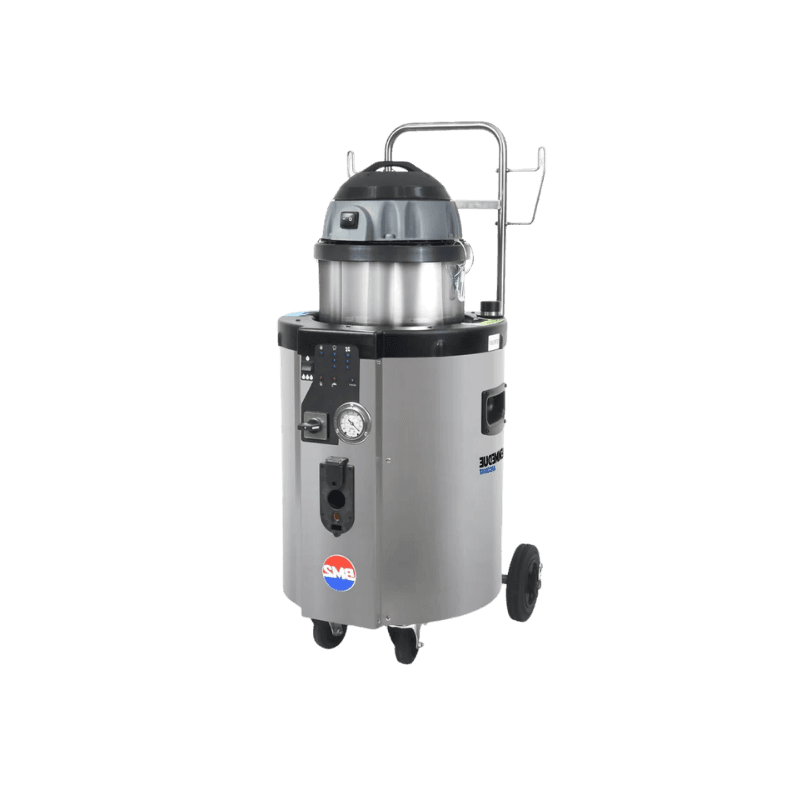
Commercial Steam Cleaners in Pakistan: What to Check Before Buying
Compare commercial steam cleaners by surface compatibility, output, refill method, attachments and recovery. Request model-specific specifications in Pakistan.
Read the guide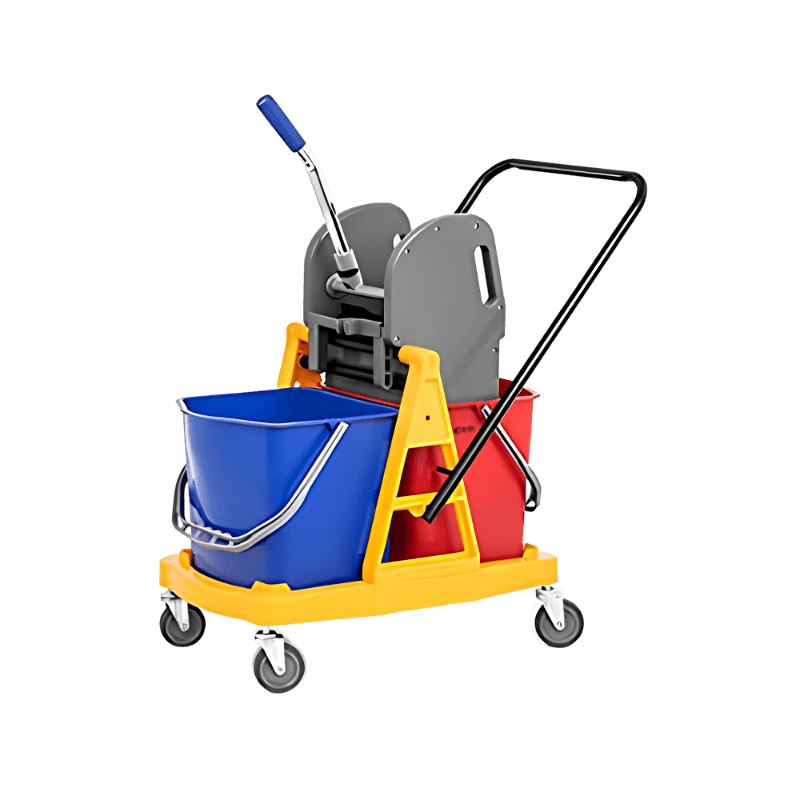
3 min read
Mop Trolley or Cleaning Trolley? A Buying Guide for Pakistan
Compare mop bucket trolleys and janitorial cleaning carts by route, wringer compatibility, storage and handling. Prepare a specific facility quotation in Pakistan.
Read the guide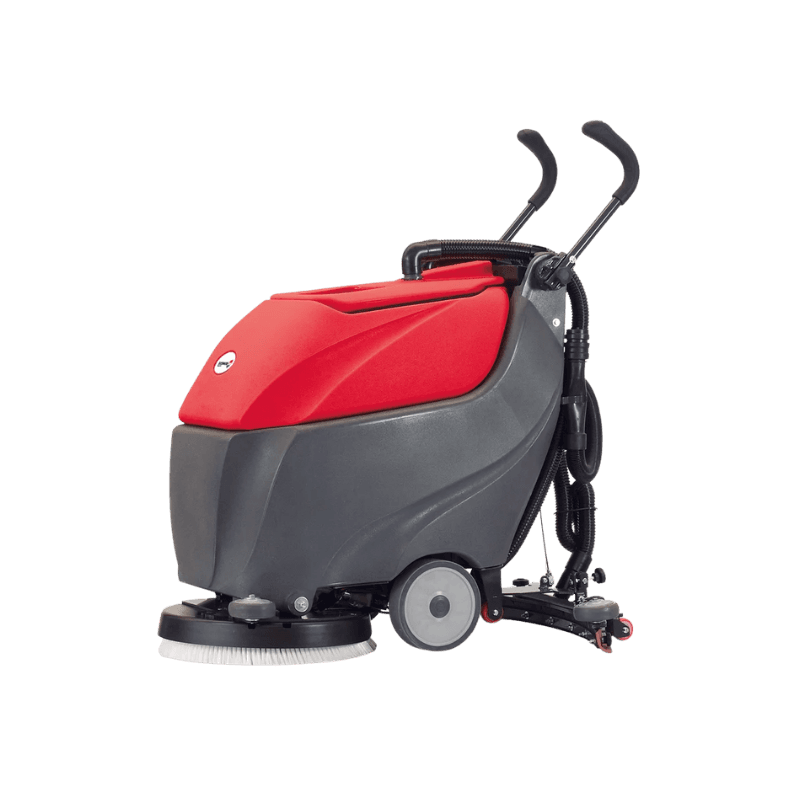
3 min read
Floor Scrubber Cleaning Capacity Calculator: Plan Your Cleaning Time
Estimate a scrubber's cleaning window using floor area, brush width, speed and route assumptions. Understand theoretical capacity, stop time and a real site trial.
Read the guide