Steam cleaners / Practical guide
Commercial Steam Cleaners in Pakistan: What to Check Before Buying
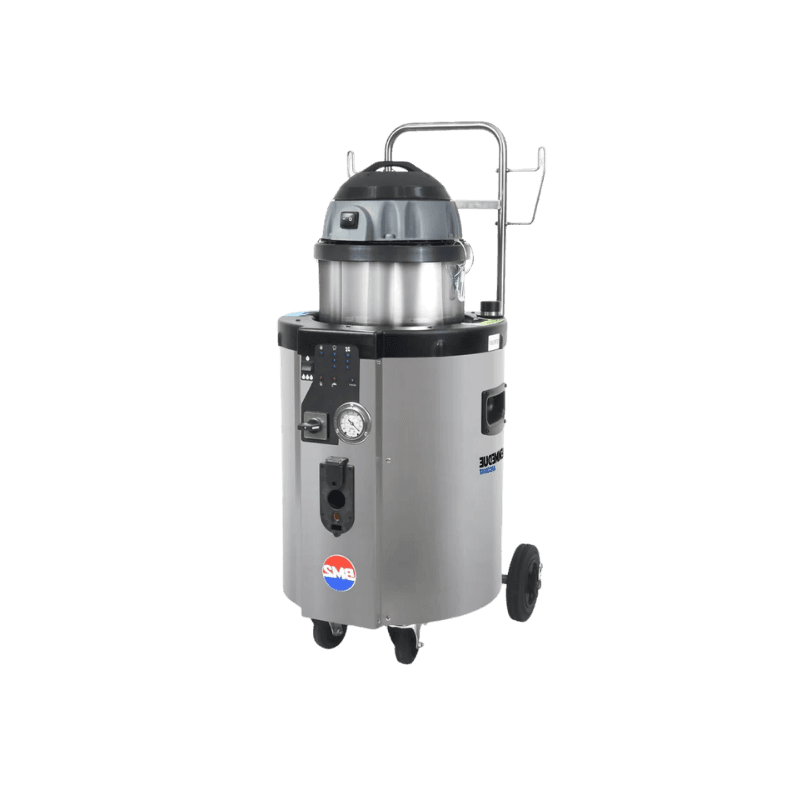
Moral Clean supplies steam cleaners, with current models and configurations confirmed through enquiry. Start with the surface and cleaning problem, then assess the equipment. A boiler temperature or pressure figure by itself does not establish cleaning performance, surface suitability or a validated hygiene result.
The decision in three points
- Confirm heat and moisture compatibility first.
- Compare output, refill method and residue recovery.
- Request evidence for any model-specific hygiene claim.
Step 01
Describe the surface and the soil
Record the surface material, finish, joints and surrounding components. Explain whether the task is local spot cleaning, cleaning detailed equipment surfaces or a longer continuous route. Include the type of residue and the method currently used. These details help determine whether steam deserves consideration and what attachment or recovery method would be needed.
Heat and moisture tolerance must be confirmed with the surface and equipment instructions. Sensitive coatings, adhesives and nearby electrical components need particular care. Test the approved method in an inconspicuous area before applying it widely. A successful result on one material is not evidence that the same method is suitable throughout a facility.
Step 02
Compare output and interruption time
Ask for rated steam pressure, output, heat-up time and the manufacturer's operating limits. Keep boiler specifications separate from conditions at the working surface. Compare the quoted figures using consistent units and request an explanation when different suppliers use different definitions.
Refilling arrangements affect workflow. Establish whether the specified model supports replenishment during use, what steps are required before refilling and how long normal interruptions last. Follow the exact manual; do not improvise access to a pressurised boiler. Ask a supplier to demonstrate the permitted sequence rather than assuming that a continuous-use description applies to every configuration.
Step 03
Plan attachments and residue recovery
List the tools required for accessible flat areas, corners and detailed surfaces. Confirm whether brushes, cloths and extension tools are included or optional. Ask how used cloths and loosened residue will be managed during the task. A steam-only machine and a machine with vacuum recovery should not be treated as the same configuration.
Check cable access, storage, equipment weight and staff handling requirements. For a demonstration, choose a representative surface and residue, and assess the complete process including preparation and cleanup. Record the result and time under the conditions your team will actually use.
Step 04
Separate cleaning from a hygiene claim
A general claim that steam guarantees disinfection is insufficient. Manufacturer hygiene evidence applies to defined equipment, organisms, surfaces and operating conditions. Kärcher's published thermal-disinfection information explicitly identifies tested conditions; it should not be transferred to an untested machine or a different cleaning procedure.
If a facility needs a validated hygiene process, obtain the evidence and have the procedure reviewed by the responsible specialist. For a normal purchasing enquiry, request the exact model datasheet, accessories, power requirements, current availability and service terms. Share the application with Moral Clean so the quotation answers the actual task.
Manufacturer references
These references explain equipment principles. Confirm the features and instructions of the exact model being considered.
Your next step
Match the guide to your equipment shortlist.
- Steam cleaner availability and enquiries
- Compare quotation inclusions
- Steam cleaner versus wet and dry vacuum
Equipment knowledge
Keep exploring
5 min read
Steam Cleaner vs Wet and Dry Vacuum: Which Does Your Facility Need?
Compare steam cleaning, dry dust collection and wet recovery. Choose a complete cleaning workflow for your facility in Pakistan before buying equipment.
Read the guide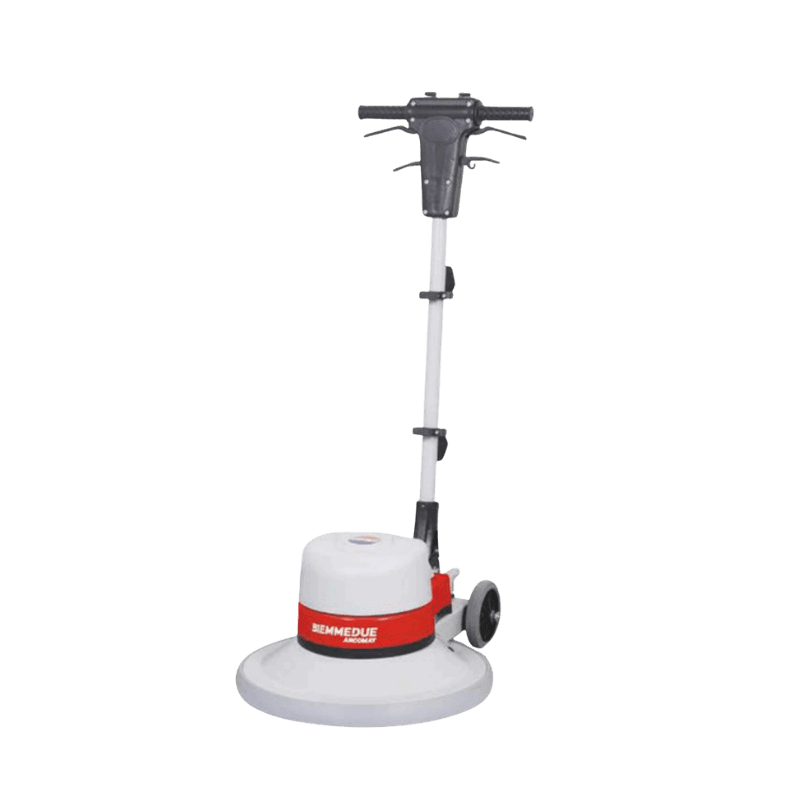
2 min read
Floor Cleaning Machine Costs in Pakistan: What a Quote Should Include
Understand equipment price factors, accessories, batteries, delivery and operating costs when requesting a floor cleaning machine quote in Pakistan.
Read the guide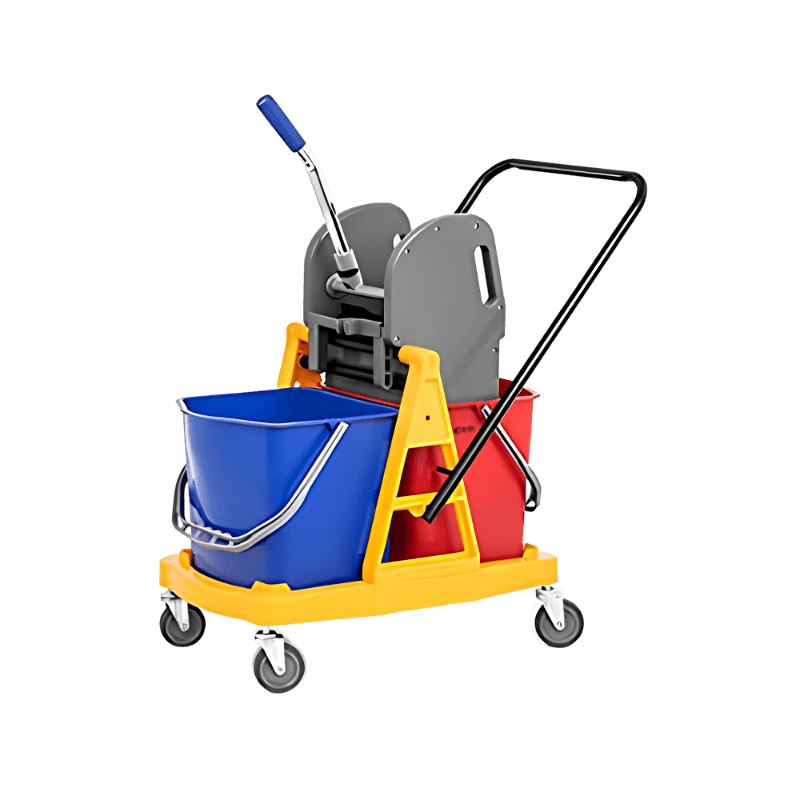
3 min read
Mop Trolley or Cleaning Trolley? A Buying Guide for Pakistan
Compare mop bucket trolleys and janitorial cleaning carts by route, wringer compatibility, storage and handling. Prepare a specific facility quotation in Pakistan.
Read the guide