Steam & vacuum cleaning / Practical guide
Steam Cleaner vs Wet and Dry Vacuum: Which Does Your Facility Need?
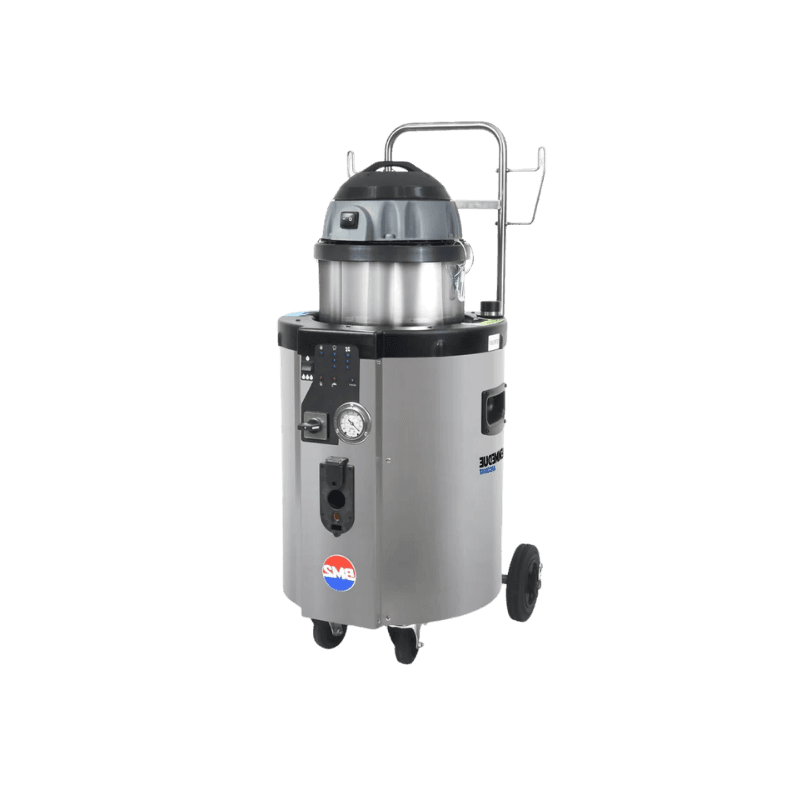
A steam cleaner loosens suitable dirt with steam. A wet and dry vacuum collects approved dry material or liquid through suction. That distinction matters more than the size of the machine: loosening a residue and removing it are different jobs. Some steam machines also recover liquid, but that feature must be confirmed on the exact model. For a facility in Pakistan, start by describing what must leave the surface and where it will go after cleaning.
The decision in three points
- Separate loosening soil from collecting it.
- Confirm surface compatibility and the exact recovery features.
- Compare the complete workflow and included tools.
| Your requirement | Steam cleaner | Wet and dry vacuum |
|---|---|---|
| Loose dry debris | Does not replace a suitable dry collection process | Collects permitted material with the correct filter and tool |
| Adhered residue | May loosen it on a heat- and moisture-compatible surface | Suction alone may not remove material bonded to the surface |
| Dirty liquid after cleaning | Recovery depends on whether the model includes suction | Wet pickup requires an approved model and its prescribed setup |
| Purchase information | Output, attachments, refill method and recovery features | Permitted material, filtration, airflow, capacity and tools |
Step 01
Start with the material you need to remove
Write down the actual problem before asking for a price. Is it loose dust under desks, a routine water spill, greasy residue around a compatible work surface, or dirt in a joint? Include the amount, location and current cleaning method. A request for a powerful cleaner leaves too much unspecified; a description of the material and surface gives the supplier something testable.
For example, dust collection in a storeroom and detailed cleaning around a washable fitting may require different processes. The storeroom needs suitable collection and filtration. The fitting may need a method to release adhered soil, followed by collection of the residue. This is a planning example, not a claim that either machine is approved for every storeroom or fitting.
Step 02
Check surface compatibility before considering steam
Identify the surface material and finish, including nearby seals, adhesives and fittings. Ask the surface manufacturer which cleaning methods are permitted, then compare that answer with the steam-machine instructions. A robust-looking surface can still have a coating or joint that limits the method. Do not treat a demonstration on one part of a building as permission to steam-clean every surface.
Agree on the trial area, attachment and acceptable result before a demonstration. Photograph its condition and inspect the result after cleaning. The useful question is whether the approved process removes the identified soil without an unacceptable change to that surface. A dramatic cloud of steam is a poor substitute for checking the finished area.
Step 03
Separate steam delivery from dirty-water recovery
Kärcher's professional range distinguishes steam cleaners from steam vacuum cleaners. The naming difference reflects a feature you must check: whether the proposed machine can collect residue as part of its cleaning process. Do not assume suction is included because a machine has a hose, tank or industrial description. Ask for the model datasheet and the required collection attachments.
Draw the complete workflow on paper: release the soil, collect it, empty or dispose of it appropriately, then clean and store the equipment. Identify the tool and operator responsible for each step. If a quotation covers steam delivery but leaves residue collection unspecified, ask for that missing step before comparing the price with a machine that includes recovery.
Step 04
Match a wet and dry vacuum to the pickup task
Wet and dry capability describes permitted collection modes; it does not make a vacuum suitable for every liquid or dust. Specify the pickup material and request the required filter, hose and tool configuration. Where the material needs specialist equipment, obtain that assessment first. The correct comparison is between models approved for your application, rather than between motor wattages alone.
Check how the operator will move and empty the machine. Include stairs, lift access, hose reach, storage and the route to the approved emptying point. A tank that looks convenient in a catalogue may be awkward in a cramped utility room. For recurring work, ask a demonstration to include transport and emptying as well as the collection pass.
Step 05
Compare the full shift rather than one impressive specification
A useful comparison records setup, cleaning, collection, interruptions and end-of-job care. For steam equipment, ask about heat-up, replenishment and the supplied attachments. For a vacuum, ask about usable collection capacity, the approved filter-care procedure and tool changes. Use the same task and acceptance criteria when comparing configurations; otherwise the times do not answer the same question.
Include the operator's route through the facility. Equipment may need to cross a doorway, travel in a lift or share a corridor with normal activity. Record these constraints in the enquiry rather than discovering them after delivery. In a demonstration, note where staff must stop, return to a supply point or change attachments. Those interruptions belong in the operating assessment.
Step 06
Ask for evidence when hygiene claims affect the decision
Cleaning visibly dirty material and establishing a particular hygiene outcome are different requirements. If a purchase depends on a stated result, request evidence for the exact model, procedure, surface and operating conditions. A boiler temperature, pressure figure or general brochure phrase does not describe everything that happens at the working surface.
For an ordinary equipment enquiry, describe the cleaning task plainly and avoid adding a result you cannot measure. For a facility with a defined hygiene procedure, pass that requirement to the responsible person before choosing equipment. The written brief should make clear whether the supplier is discussing routine cleaning suitability or an independently specified process requirement.
Step 07
Prepare a comparable quotation for your facility
Send Moral Clean your location, surface description, pickup material, approximate daily workload and access restrictions. State whether the priority is dry collection, liquid recovery or detailed steam cleaning. Include photographs of the work area and the identification of an existing machine where relevant. This lets the enquiry address a real application rather than a generic product label.
Ask the quotation to identify the exact model, power supply, included tools, collection method, accessories and service scope. Confirm current availability and delivery terms in writing. Keep the buying decision attached to the complete workflow: a cheaper standalone machine can leave you purchasing additional equipment, while a combined unit may provide features the task does not require.
Frequently asked questions
Can a wet and dry vacuum replace a steam cleaner?
It can collect approved dust or liquid, but suction does not provide steam treatment. Decide whether the task needs collection, loosening of adhered soil, or both. Confirm the permitted process on the exact equipment and surface.
Do all steam cleaners pick up the dirty water?
No. Check whether the specified model includes a recovery system and the necessary collection tools. A steam-vacuum configuration differs from a steam-only machine; do not infer its features from appearance.
Does Moral Clean supply steam cleaners in Pakistan?
Yes. Contact Moral Clean with the intended surface, task and facility location to confirm the current models, configuration and availability. An illustration on a guide is not a model-specific quotation.
Manufacturer references
These references explain equipment principles. Confirm the features and instructions of the exact model being considered.
Your next step
Match the guide to your equipment shortlist.
- Steam-cleaner equipment enquiries
- Commercial vacuum-cleaner catalogue
- Detailed steam-cleaner buying checklist
- Wet and dry vacuum selection guide
Equipment knowledge
Keep exploring
3 min read
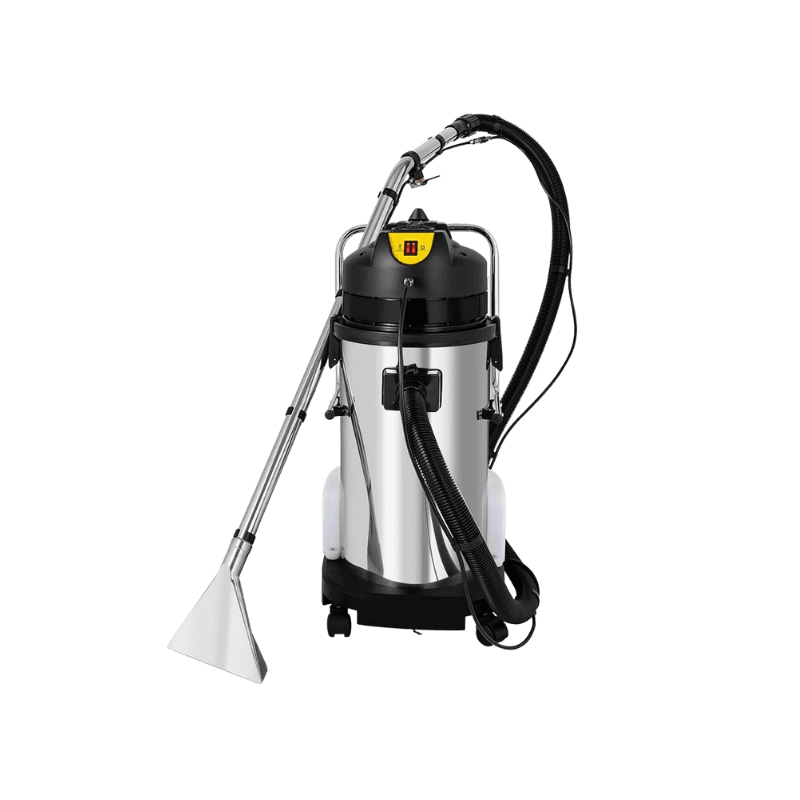
Wet and Dry Vacuum Cleaners in Pakistan: A Commercial Buying Guide
Choose a commercial wet and dry vacuum by pickup material, filtration, capacity, tools and service needs. Prepare a comparable quotation in Pakistan.
Read the guide3 min read
Commercial Steam Cleaners in Pakistan: What to Check Before Buying
Compare commercial steam cleaners by surface compatibility, output, refill method, attachments and recovery. Request model-specific specifications in Pakistan.
Read the guide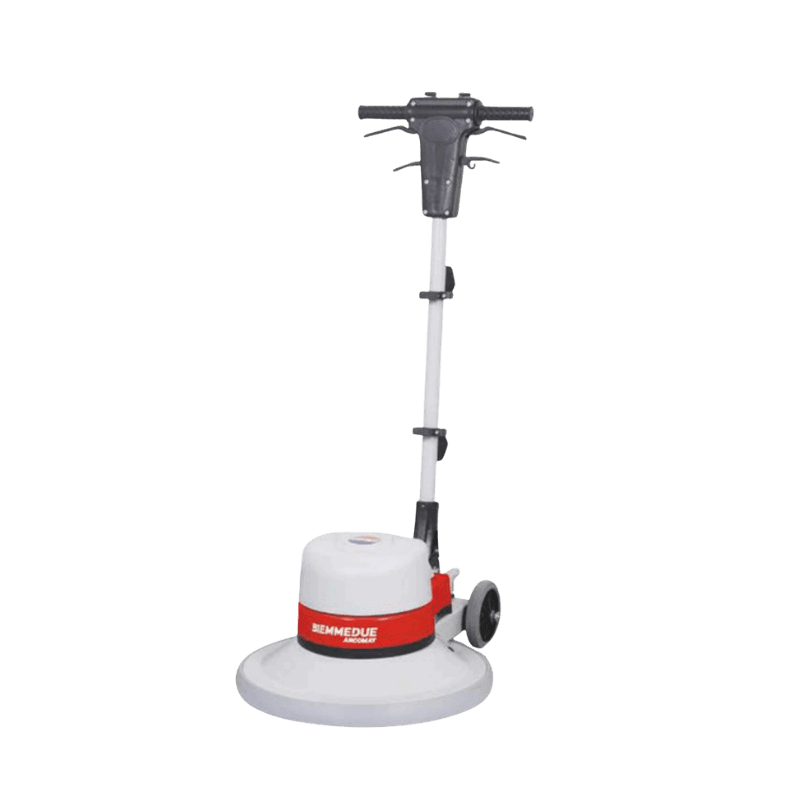
3 min read
Single Disc Machine vs Scrubber Dryer: Which Cleaning Process Do You Need?
Compare single disc floor machines and scrubber dryers by scrubbing, water recovery, accessories and workflow before buying in Pakistan.
Read the guide