Vacuum cleaners / Practical guide
Wet and Dry Vacuum Cleaners in Pakistan: A Commercial Buying Guide
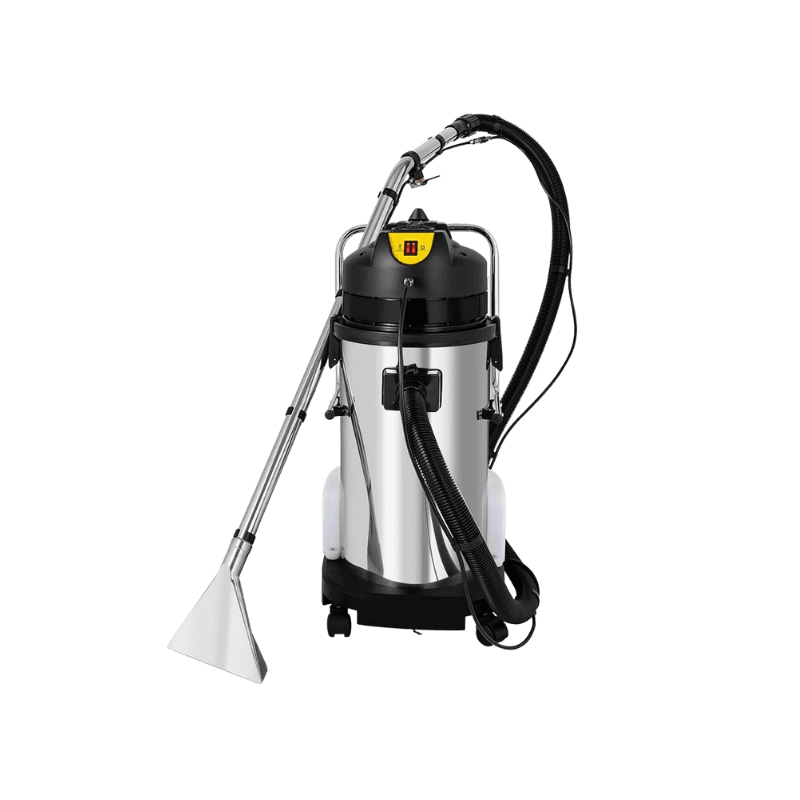
A useful vacuum shortlist starts with what the machine must collect and where staff will use it. A hotel corridor, a workshop floor and a wet spill create different requirements. Tank size and motor wattage are useful specifications, but neither proves that a vacuum is suitable for the material or the working environment.
The decision in three points
- Identify the pickup material and required filtration.
- Compare capacity with emptying and handling needs.
- Confirm the included hose, tools and replacement filters.
Step 01
Identify the pickup material before choosing a machine
Separate routine housekeeping dust, loose debris and liquid recovery in your enquiry. Record the approximate amount collected per shift, the floor surface and any restrictions on moving equipment through the building. Ask whether the exact model is approved for wet pickup, dry pickup or both; accessories and filter setup must follow its manual.
Ordinary wet and dry capability is not approval for hazardous dust, combustible material or flammable liquids. Those applications need a documented assessment and equipment approved for the specific material. Send the relevant material information to a competent supplier rather than treating the word industrial as a safety classification.
Step 02
Read suction, airflow and filtration as separate specifications
Electrical input describes power consumption. Airflow and vacuum specifications describe different aspects of the suction system, while the hose, tool and filter affect practical collection. Compare figures only when units and test conditions are equivalent. Ask for the manufacturer's datasheet when a catalogue lists wattage without the other information needed for the task.
Confirm filter type, permitted pickup materials and the required cleaning or replacement procedure. Kärcher's professional vacuum range illustrates that filter-cleaning systems and wet/dry tool configurations vary by model. Do not assume those features exist on another brand or on every vacuum in a category.
Step 03
Choose capacity around emptying and handling
Estimate how much material is collected between suitable emptying points. Then check access to drains or waste containers, storage space, stairs and the weight staff must move. A large tank can reduce interruptions while making transport and emptying less convenient. Ask for usable collection capacity where the quoted tank volume does not answer your operational question.
Compare wheel arrangement, handles, cable length, hose reach and the tools needed under furniture or around machinery. Include the narrowest doorway and any lift dimensions. A machine that fits the cleaning area but cannot be moved easily to its storage location is an incomplete purchase specification.
Step 04
Make the written quotation specific
Request the model code, power supply, permitted pickup materials, filter configuration, hose and floor tools. Confirm which attachments are included, replacement filter availability, delivery terms and the service assessment process. Compare like-for-like configurations instead of comparing a bare machine with a fully equipped package.
For a Pakistan quotation, send Moral Clean the facility location, intended material, approximate daily workload and any access limitations. Attach the identification of an existing machine if it is being replaced, and explain its current limitation. The objective is an equipment match, not simply a larger motor or tank.
Manufacturer references
These references explain equipment principles. Confirm the features and instructions of the exact model being considered.
Your next step
Match the guide to your equipment shortlist.
- Compare commercial vacuum cleaners
- Prepare a maintenance or parts enquiry
- Compare steam cleaning and vacuum recovery
Equipment knowledge
Keep exploring
5 min read
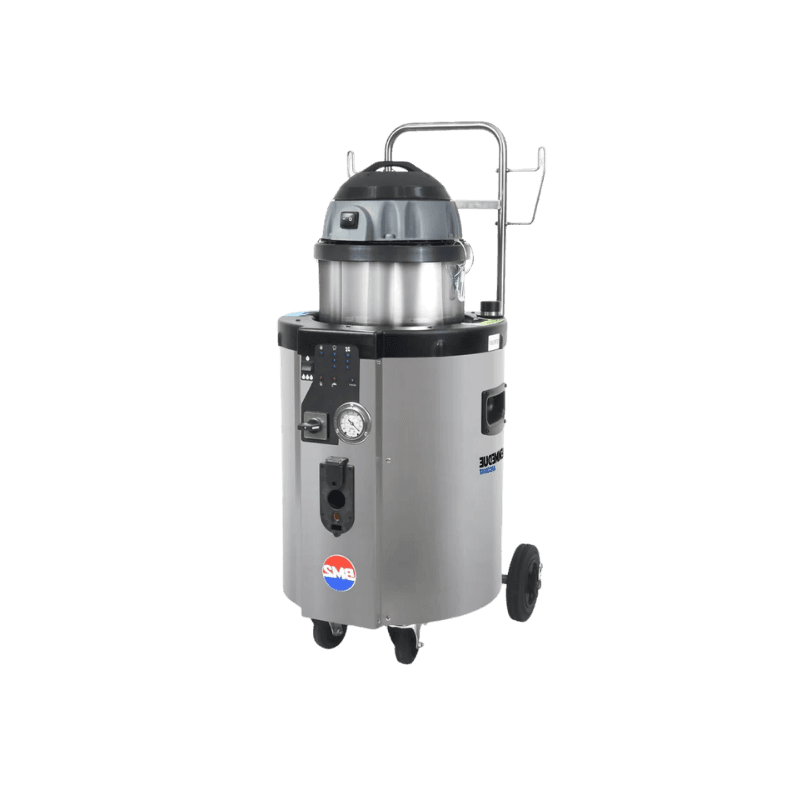
Steam Cleaner vs Wet and Dry Vacuum: Which Does Your Facility Need?
Compare steam cleaning, dry dust collection and wet recovery. Choose a complete cleaning workflow for your facility in Pakistan before buying equipment.
Read the guide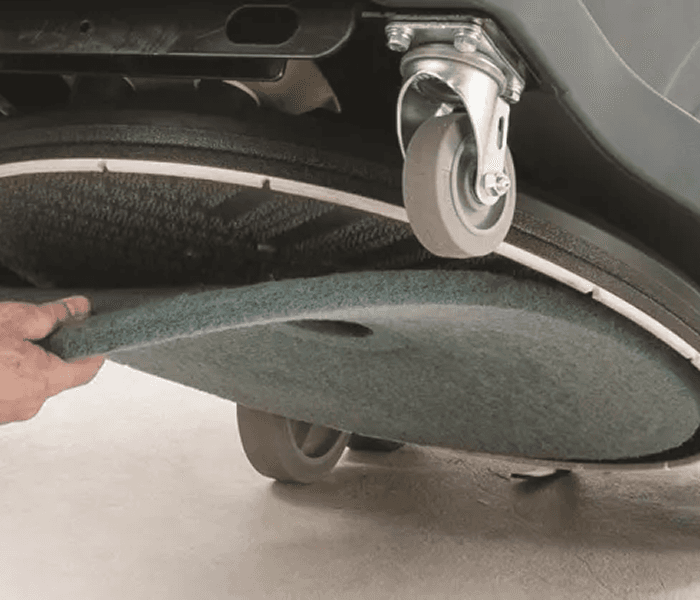
2 min read
Commercial Cleaning Machine Maintenance and Repair Enquiry Checklist
Prepare model details, symptoms and maintenance records for cleaning-machine repairs, parts replacement and brush-refilling enquiries in Pakistan.
Read the guide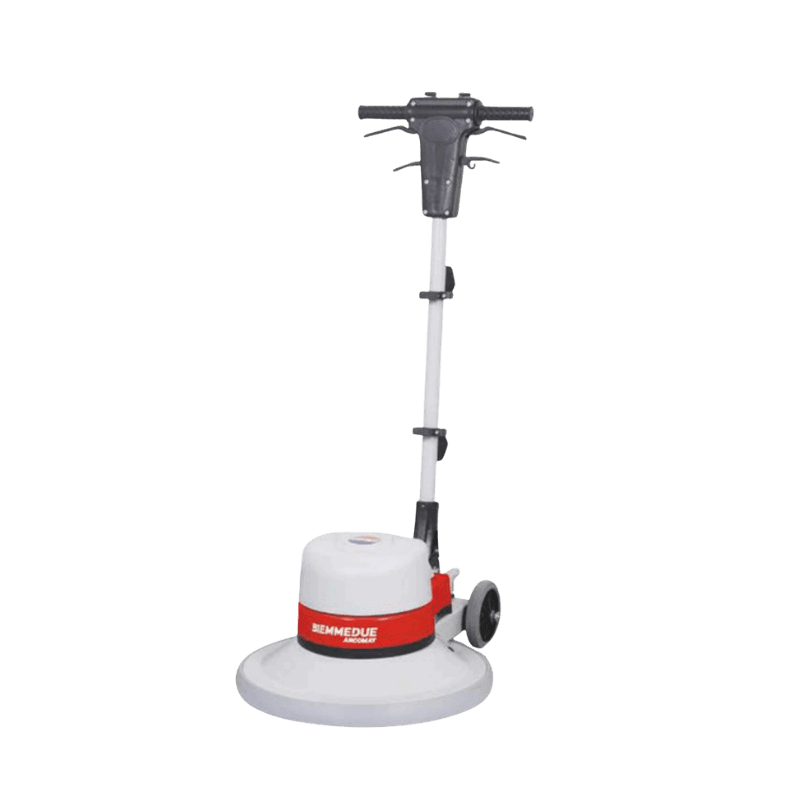
3 min read
Single Disc Machine vs Scrubber Dryer: Which Cleaning Process Do You Need?
Compare single disc floor machines and scrubber dryers by scrubbing, water recovery, accessories and workflow before buying in Pakistan.
Read the guide