Facility planning / Practical guide
Warehouse Floor Cleaning Equipment: A Procurement Checklist for Pakistan
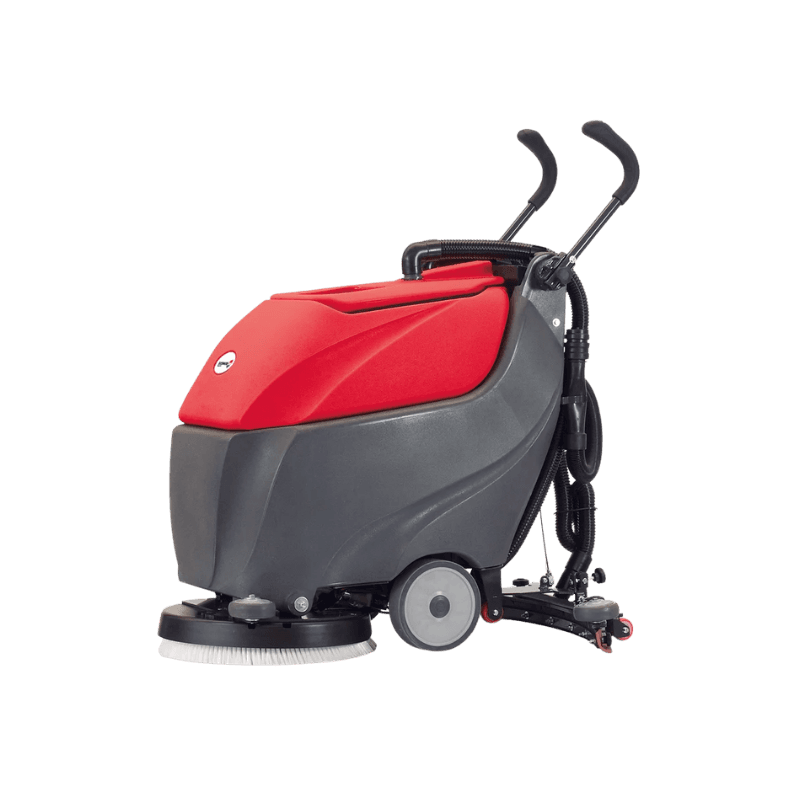
A warehouse equipment quotation should describe the cleaning route and required result, not just the building's total square metres. Storage layouts, traffic and operating hours can make two warehouses of the same size very different cleaning jobs. Use a documented site brief to compare proposed equipment and complete workflows.
The decision in three points
- Measure accessible aisles rather than total building area.
- Plan around traffic, storage and the cleaning window.
- Use a representative trial and a complete quotation.
Step 01
Measure the area that will actually be cleaned
Record accessible aisles, open staging areas, loading approaches and small rooms separately. Identify sections blocked by storage or equipment during the cleaning window. Measure narrow doors and turns, and include the route to the storage location. Avoid estimating output using the full building area if large parts cannot be reached.
Describe the floor material and finish, damaged areas, joints and any ramps. Request confirmation that the proposed machine and accessories are appropriate for those conditions. Where different zones have different surfaces or residues, document them individually instead of assuming that one setting or cleaning method will suit every zone.
Step 02
Record debris and the required process
Describe loose material, routine dust and adhered residues. Specify the expected condition after cleaning. The process may involve dry collection, wet washing and recovery, or a sequence. Ask each supplier to state which steps its quotation covers and what supporting equipment is needed.
Include any specialist material or exposure concern in the assessment. Do not assume that a housekeeping vacuum or sweeper is approved for hazardous dust, flammable liquids or combustible residues. Provide material information to the responsible specialist before equipment selection.
Step 03
Plan the cleaning window around warehouse activity
State when the route is available and where pedestrians, pallet movements or vehicles remain active. Include access restrictions and the facility's requirements for separating cleaning work from traffic. Compare equipment size and operator position against the route rather than choosing a ride on simply because the site is called a warehouse.
Identify water supply, permitted discharge points, charging space and equipment storage. Measure the time and distance required for ordinary stops. These interruptions should be included in a practical trial and operating estimate instead of relying entirely on a theoretical area-per-hour figure.
Step 04
Use a comparable trial and quotation
Select a representative route with normal obstacles and soil. Record preparation, cleaning, recovery, interruptions and cleanup, then inspect the result. Document the accessories and settings used. A demonstration on a clear, freshly prepared area may not represent the workload of an occupied warehouse.
Request model codes, complete power configuration, tanks or hopper, accessories, operating limits, delivery details and service scope. Compare the total proposed process and included equipment. Keep price, trial findings and unresolved questions in the same assessment so a low quote is not mistaken for an equivalent solution.
Step 05
Send a structured procurement brief
Provide Moral Clean with the location, usable cleaning area, floor condition, residue, cleaning window and access dimensions. Add water, power, charging and waste-disposal arrangements. Share a route sketch or photographs where they clarify the task, without including sensitive operational information that is unnecessary for an equipment quote.
Name the person responsible for confirming the process and accepting the result. Request clarification of missing specifications before ordering and retain the approved model, accessories and maintenance instructions with the facility's equipment records. This checklist supports procurement; it does not claim a specific machine is approved for your site without assessment.
Your next step
Match the guide to your equipment shortlist.
- Plan scrubber capacity with explicit assumptions
- Compare sweeping and scrubbing processes
- Compare walk behind and ride on formats
- Review commercial equipment categories
Equipment knowledge
Keep exploring
3 min read
Floor Scrubber Cleaning Capacity Calculator: Plan Your Cleaning Time
Estimate a scrubber's cleaning window using floor area, brush width, speed and route assumptions. Understand theoretical capacity, stop time and a real site trial.
Read the guide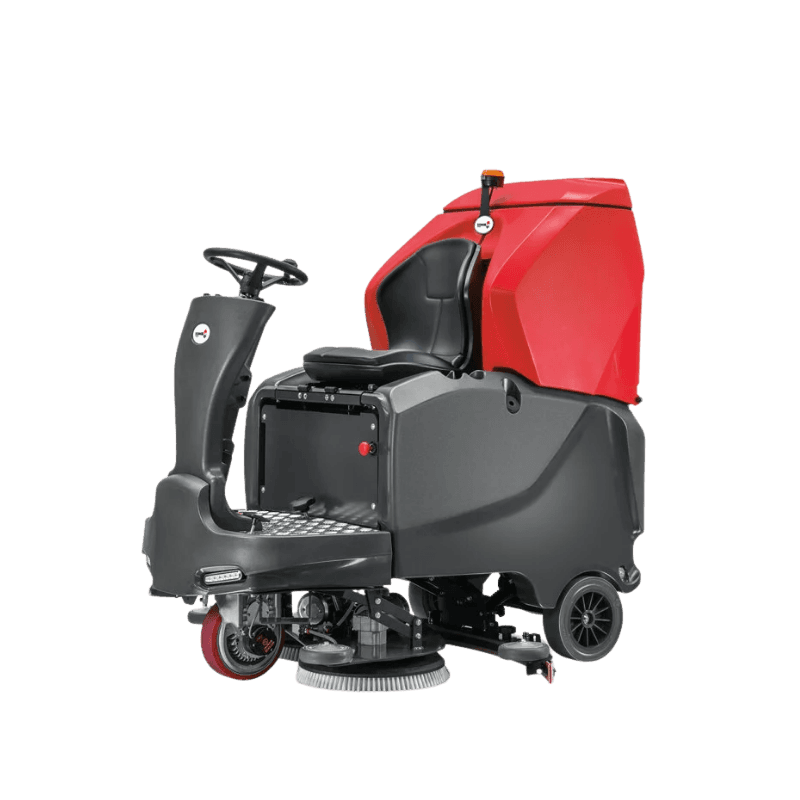
3 min read
Floor Sweeper vs Scrubber Dryer: Choosing for Dust, Debris and Adhered Soil
Choose between sweeping and wet scrubbing using debris, surface, route access and disposal requirements. Compare commercial cleaning workflows in Pakistan.
Read the guide2 min read
Walk Behind vs Ride On Scrubber Dryer: Choosing for Your Facility
Compare access, cleaning routes, tanks, power and operating costs before choosing a walk behind or ride on scrubber dryer for a facility in Pakistan.
Read the guide