Cleaning processes / Practical guide
Floor Sweeper vs Scrubber Dryer: Choosing for Dust, Debris and Adhered Soil
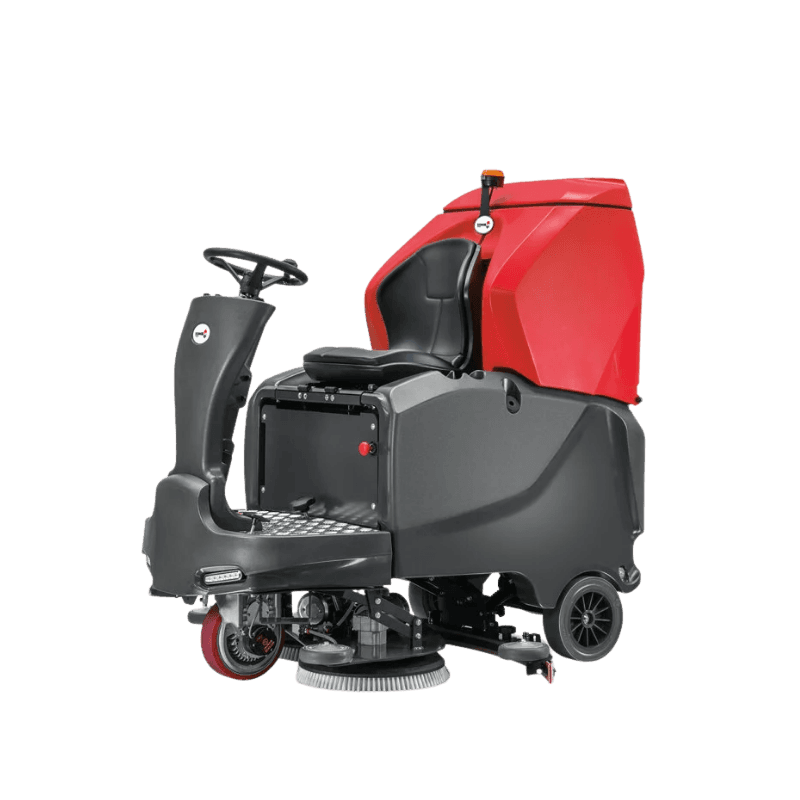
A floor sweeper and a scrubber dryer address different cleaning problems. Start by identifying what is on the floor: loose debris, fine dust or soil that remains attached to the surface. Some facilities need more than one process, and equipment should be selected around that sequence rather than around a generic industrial-cleaning label.
The decision in three points
- Separate loose debris from soil that needs washing.
- Assess whether the site needs a sequence of processes.
- Check disposal, tanks, route access and handling.
| Requirement | Sweeper | Scrubber dryer |
|---|---|---|
| Primary process | Collection of suitable loose dry material | Wet scrubbing and dirty-water recovery |
| Collection system to compare | Hopper handling, brushes and relevant dust-control specifications | Solution and recovery tanks, brushes and squeegee |
| Site information needed | Debris size, dust properties, surface and disposal point | Surface compatibility, adhered soil, water and discharge points |
| Important limit | Collection does not substitute for washing adhered soil | Wet washing does not remove the need to manage loose debris |
Step 01
Inspect a representative cleaning route
Document the material present before and after a normal shift. Separate larger loose debris, routine dust and residues that remain after dry collection. Record the surface, damaged areas, joints, obstructions and changes of level. Include outdoor entrances where material may be carried into the building.
The material itself matters. Routine floor debris should not be confused with hazardous or combustible dust. Any specialist dust exposure or collection requirement needs its own assessment and suitable equipment. Do not assume that a machine's industrial label establishes the necessary filtration or safety approval.
Step 02
Decide whether the site needs a sequence
Dry collection and wet scrubbing may be separate steps. Kärcher's published guidance describes using sweeping before scrubbing in an appropriate floor-cleaning workflow. Your procedure should specify which material is collected first, what remains for washing and how staff confirm an acceptable result.
When comparing proposals, ask suppliers to explain the process they are pricing. A sweeper-only quote and a complete sweeping-and-scrubbing proposal are not equivalent. Avoid rejecting the second machine purely on purchase price before considering whether the cheaper proposal actually achieves the required floor condition.
Step 03
Compare handling and route constraints
For a sweeper, check working width, hopper handling, brush requirements and the documented dust-control features relevant to the task. Consider manual versus powered operation against the route and staff workload. For a scrubber dryer, compare tanks, recovery components, power system and refill and discharge access.
Measure doorways, turns and the storage route for either option. Include the space needed to empty or maintain the equipment. A machine that covers an open aisle quickly may still be inconvenient around pallet positions, benches or small rooms; assess the complete route rather than the open area alone.
Step 04
Compare results and operating requirements
Use a representative trial to record the result, time, stops and cleanup needed by each proposed workflow. Ask the supplier to explain remaining residue or dust. Document the required accessories and consumables so the quoted configuration can reproduce the trial instead of relying on optional tools that are not included.
Send Moral Clean the facility location, surface, debris description, area, cleaning frequency and route dimensions. Include power, water and waste-disposal constraints. Ask for separate model specifications and a written explanation of whether sweeping, scrubbing or a combined sequence is proposed.
Manufacturer references
These references explain equipment principles. Confirm the features and instructions of the exact model being considered.
Your next step
Match the guide to your equipment shortlist.
Request a specification-based quoteEquipment knowledge
Keep exploring
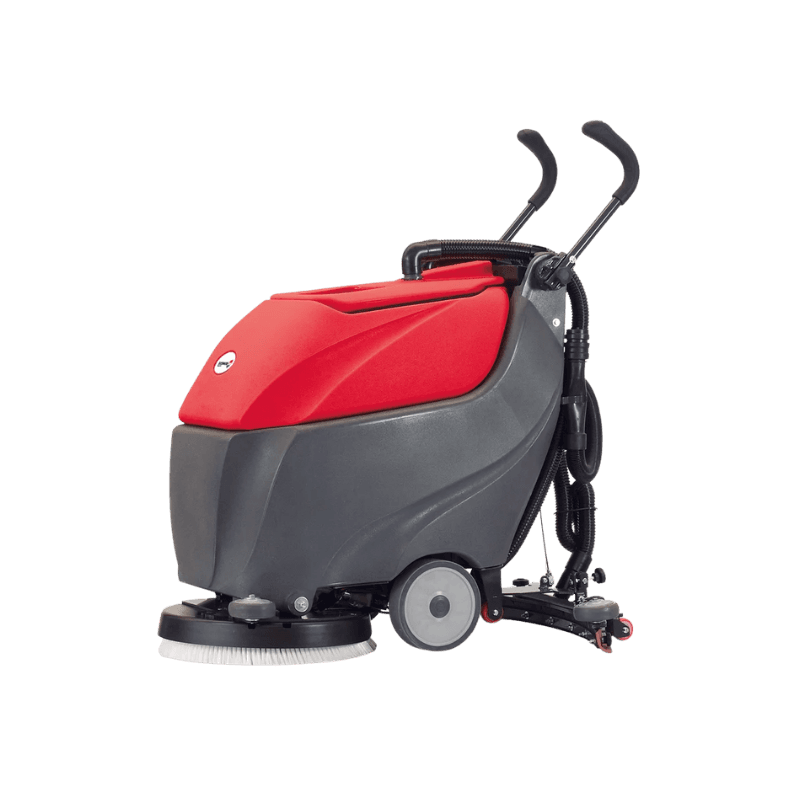
3 min read
Floor Scrubber Cleaning Capacity Calculator: Plan Your Cleaning Time
Estimate a scrubber's cleaning window using floor area, brush width, speed and route assumptions. Understand theoretical capacity, stop time and a real site trial.
Read the guide2 min read
Walk Behind vs Ride On Scrubber Dryer: Choosing for Your Facility
Compare access, cleaning routes, tanks, power and operating costs before choosing a walk behind or ride on scrubber dryer for a facility in Pakistan.
Read the guide
2 min read
Floor Cleaning Machine Costs in Pakistan: What a Quote Should Include
Understand equipment price factors, accessories, batteries, delivery and operating costs when requesting a floor cleaning machine quote in Pakistan.
Read the guide