Biemmedue
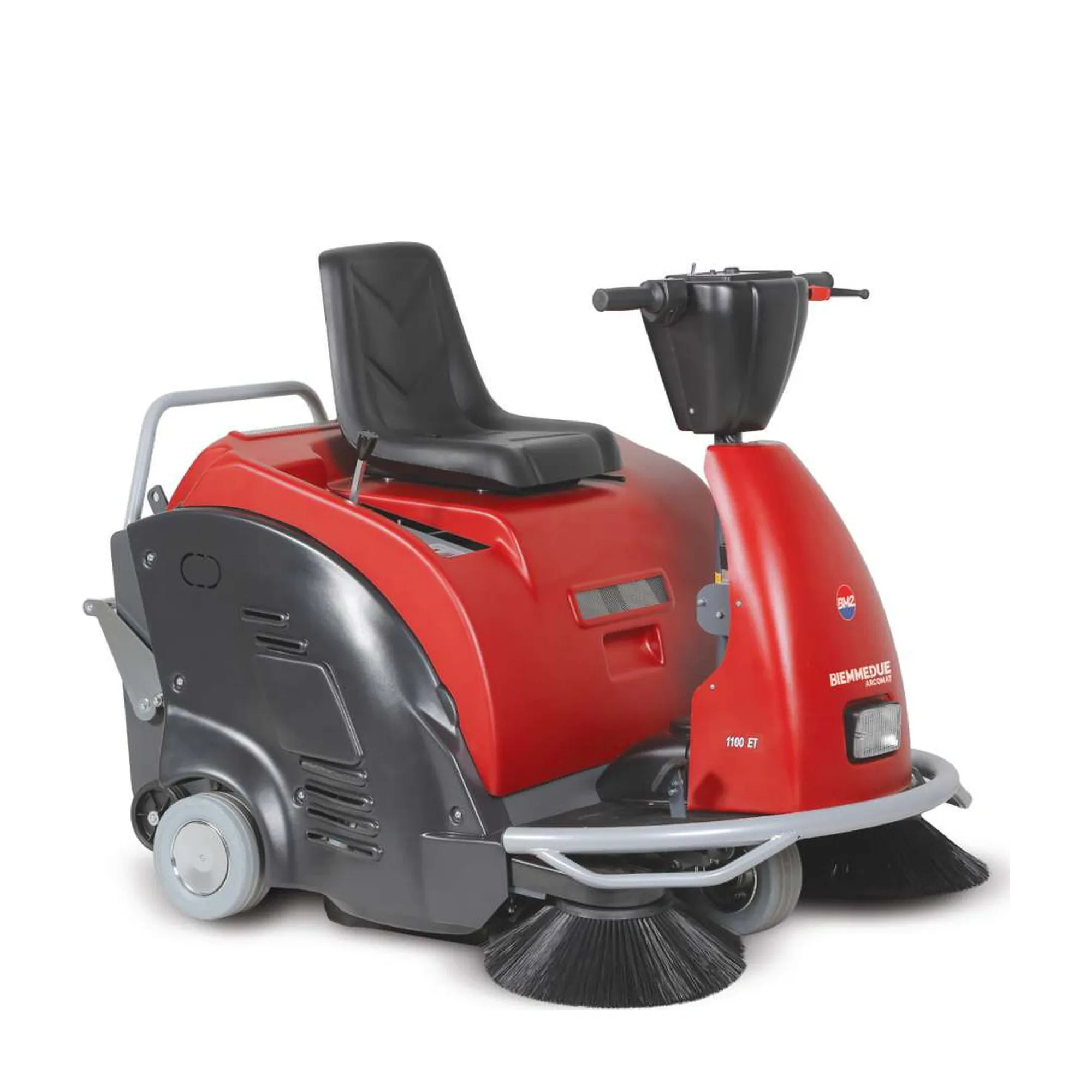
DUSTY 1100 Sweeper
The Biemmedue DUSTY 1100 is a ride-on vacuum sweeper for cleaning larger floor areas.
View DetailsBrowse Category
Floor sweepers collect loose dry debris from suitable indoor or outdoor routes. Compare manual and powered machines by surface, debris volume, working width and hopper handling. Sweepers collect debris; they do not replace wet scrubbing when a floor has adhered dirt or oily residues.
Biemmedue
The Biemmedue DUSTY 1100 is a ride-on vacuum sweeper for cleaning larger floor areas.
View Details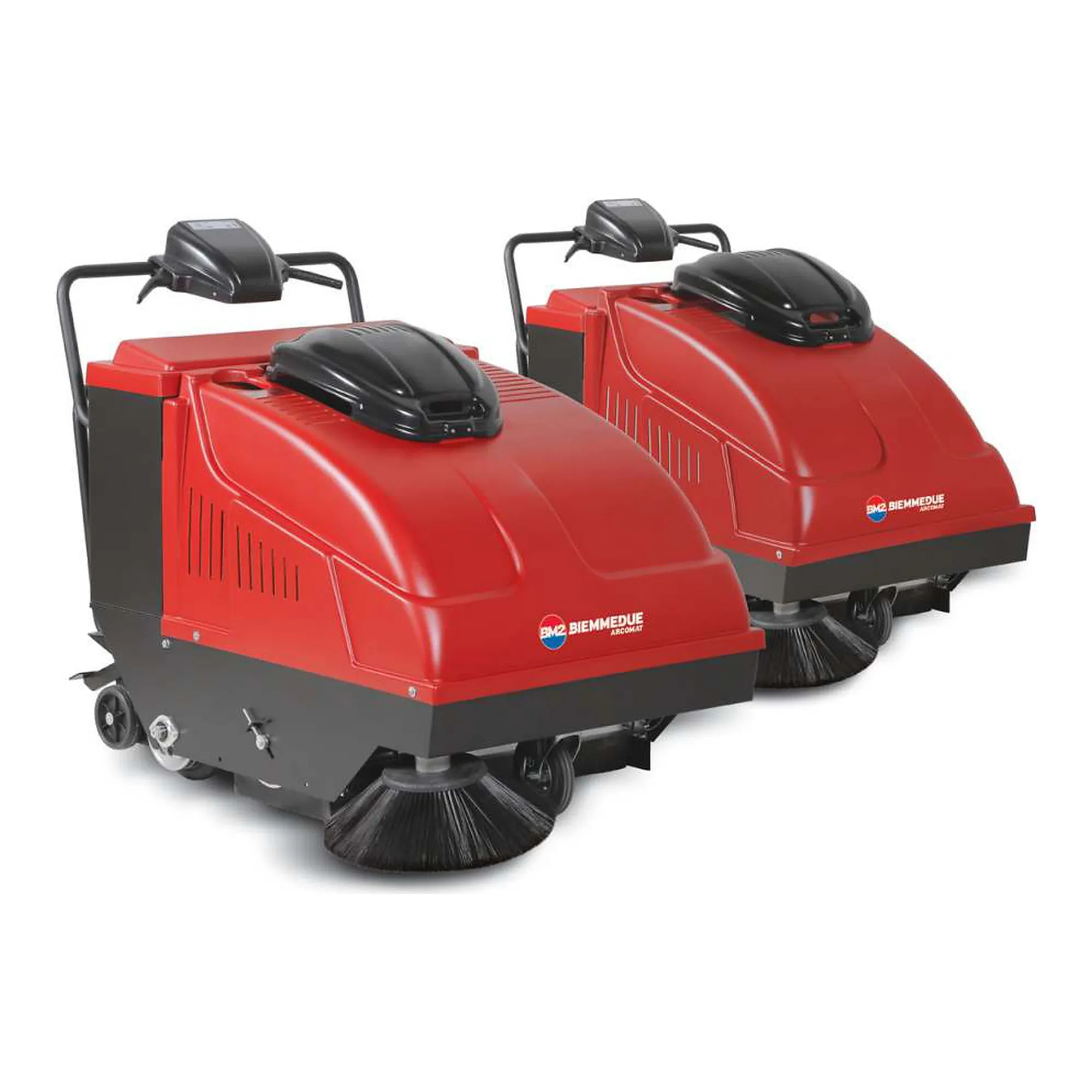
Biemmedue
The Biemmedue ONE 650 is a powered walk-behind vacuum sweeper with cartridge filtration.
View Details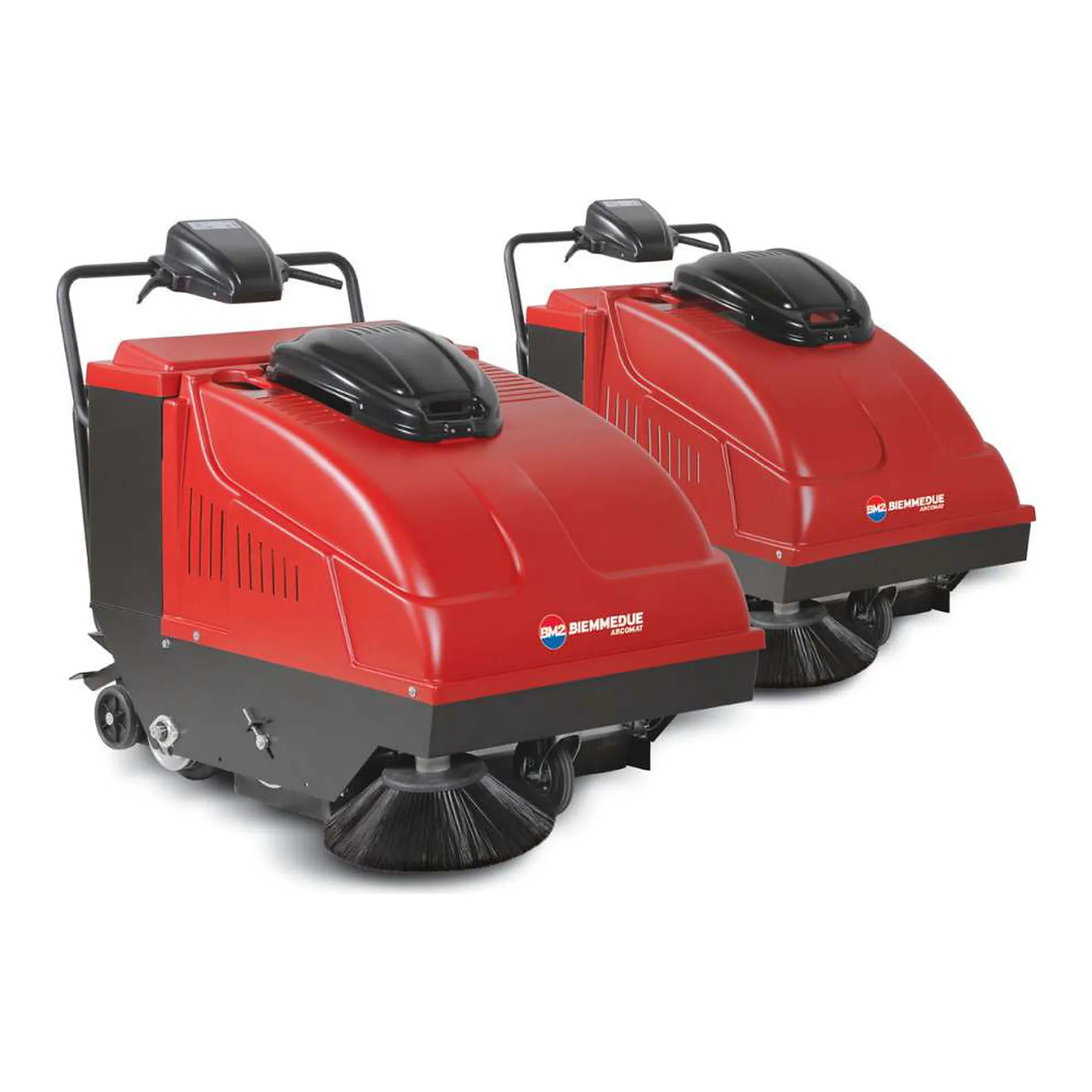
Biemmedue
The Biemmedue ONE 850 is a powered walk-behind vacuum sweeper with cartridge filtration.
View Details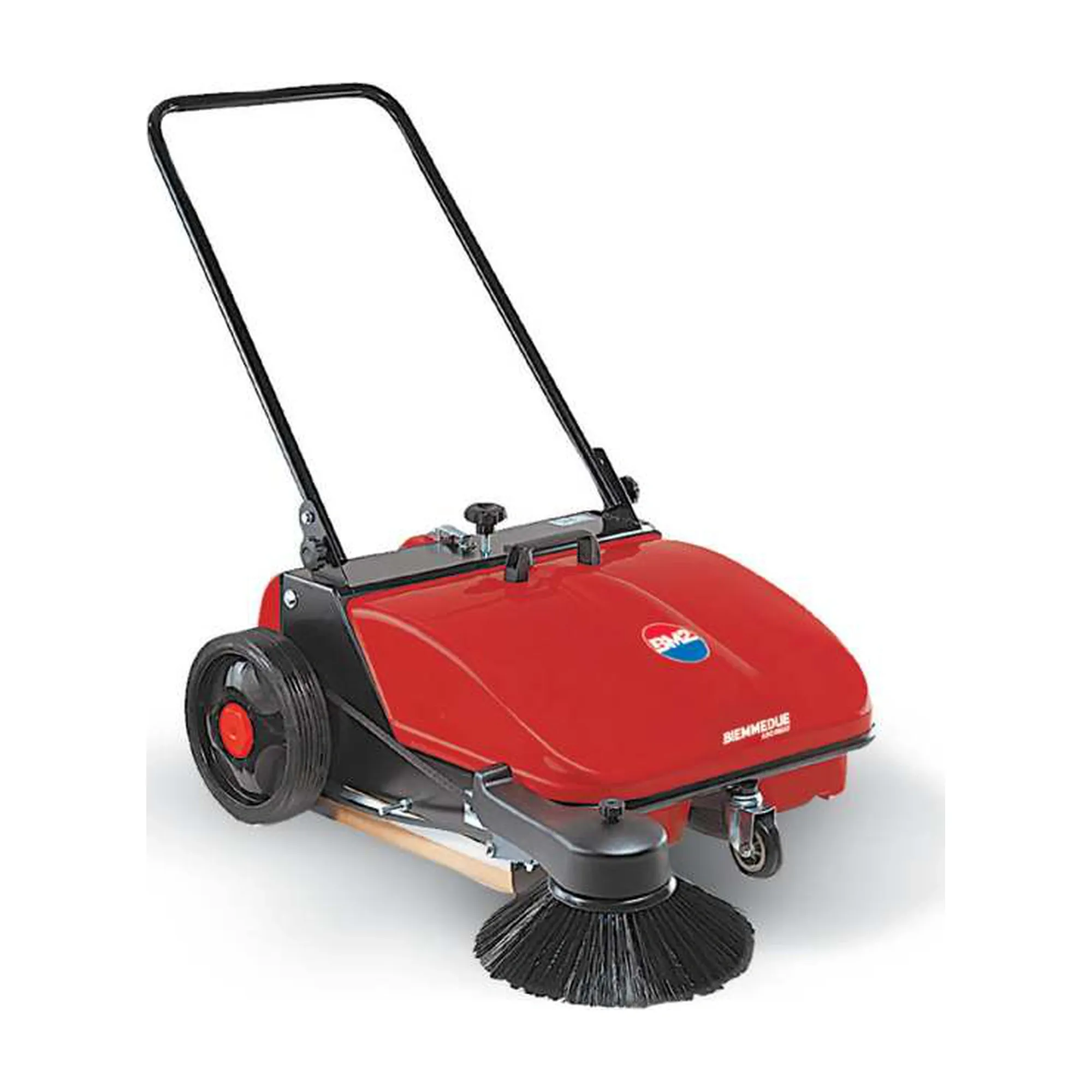
Biemmedue
The Biemmedue DUSTY 650 M is a manual push sweeper for collecting loose debris from floors.
View DetailsSpecifications below come from the individual catalogue records. Confirm configuration, accessories and current availability in the written quotation.
| Model | Selected specifications |
|---|---|
| DUSTY 1100 Sweeper |
|
| DUSTY 650 M Manual Sweeper |
|
| ONE 650 Sweeper |
|
| ONE 850 Sweeper |
|
A sweeper collects loose material. Use an appropriate scrubber or other washing process for soil that needs water or detergent to remove.
Consider a manual machine for routes and debris volumes an operator can handle comfortably. Larger or frequent routes may justify a powered machine.
Send your facility location, floor or surface type, cleaning area, daily workload and required quantities. Ask for the model specification, included accessories, delivery terms and service scope.
Send your requirementsEquipment knowledge
3 min read
Choose between sweeping and wet scrubbing using debris, surface, route access and disposal requirements. Compare commercial cleaning workflows in Pakistan.
Read the guide3 min read
Compare mop bucket trolleys and janitorial cleaning carts by route, wringer compatibility, storage and handling. Prepare a specific facility quotation in Pakistan.
Read the guide3 min read
Estimate a scrubber's cleaning window using floor area, brush width, speed and route assumptions. Understand theoretical capacity, stop time and a real site trial.
Read the guideBiemmedue
The Biemmedue DUSTY 1100 is a ride-on vacuum sweeper for cleaning larger floor areas.
View DetailsBiemmedue
The Biemmedue ONE 650 is a powered walk-behind vacuum sweeper with cartridge filtration.
View DetailsBiemmedue
The Biemmedue ONE 850 is a powered walk-behind vacuum sweeper with cartridge filtration.
View DetailsBiemmedue
The Biemmedue DUSTY 650 M is a manual push sweeper for collecting loose debris from floors.
View Details